


SPS ITALIA 2025
MC RESISTORI participates in the main trade fairs to meet you and present its products.
Dal 13 al 15 maggio 2025 saremo a Parma per SPS ITALIA , la fiera per l’industria intelligente, digitale e sostenibile, riconosciuta come punto di riferimento per il comparto manifatturiero italiano: l’appuntamento annuale per conoscere nuovi trend e confrontarsi sui temi più sfidanti dell’automazione industriale. La fiera torna a Parma dal 13 al 15 maggio 2025.
Vi aspettiamo al Padiglione 6 – Stand G043!
Our products
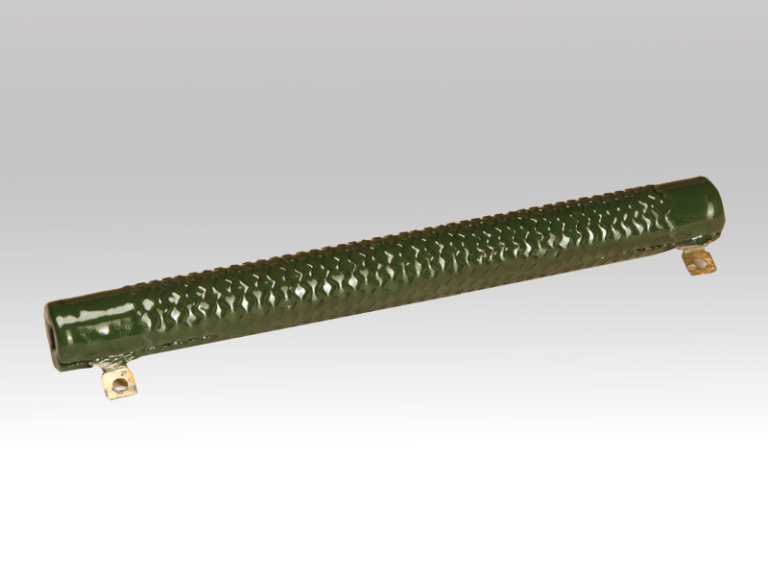
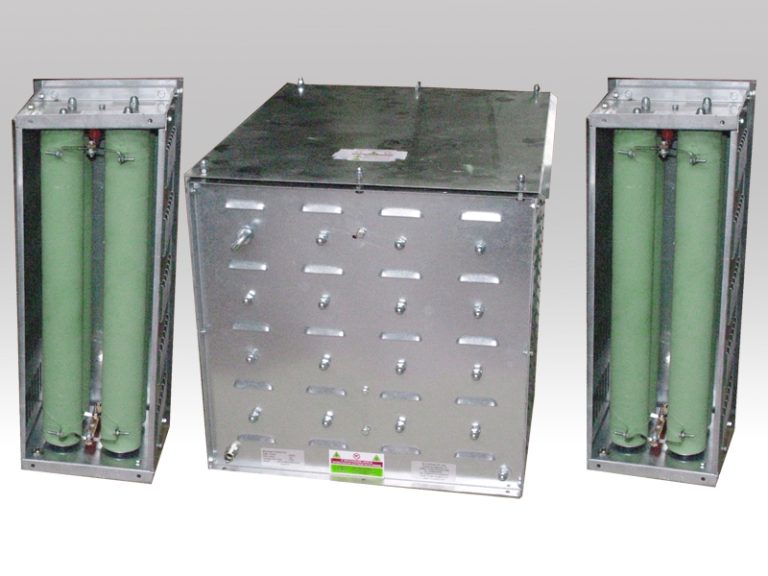
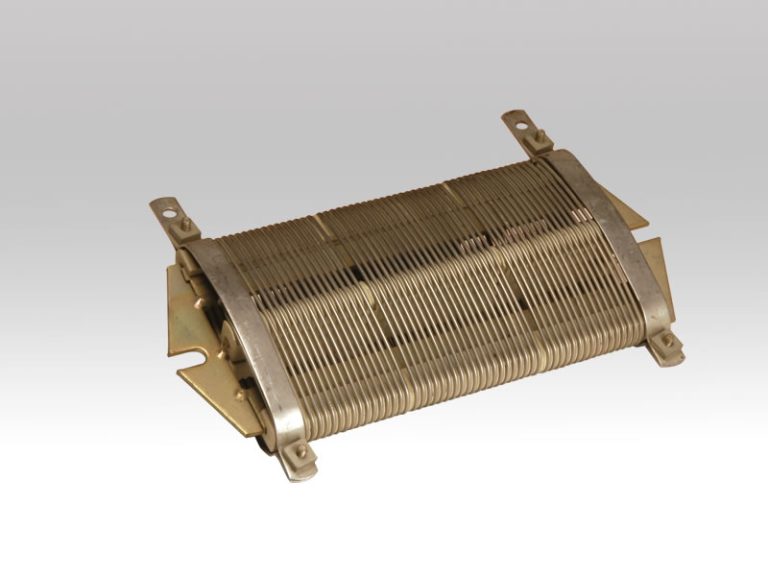
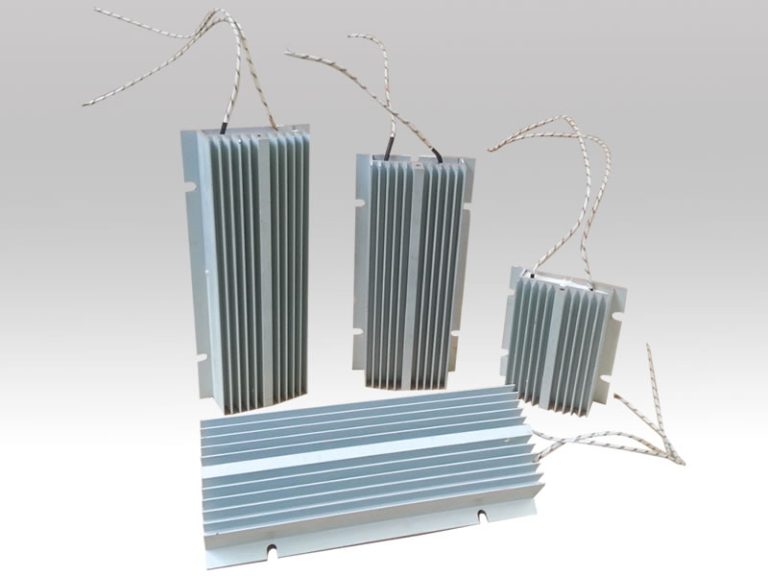
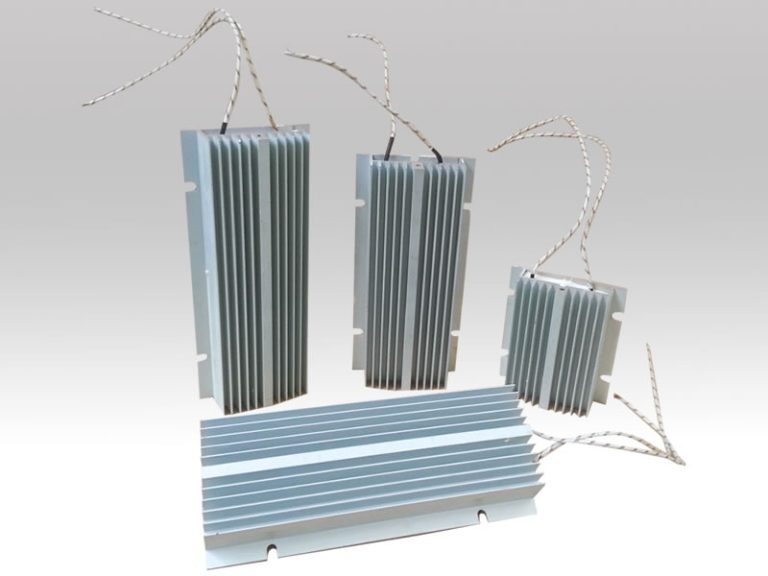
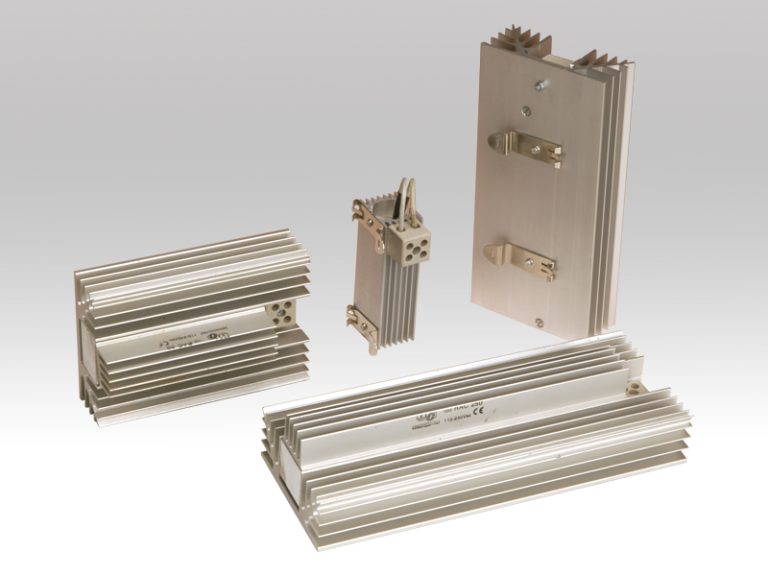
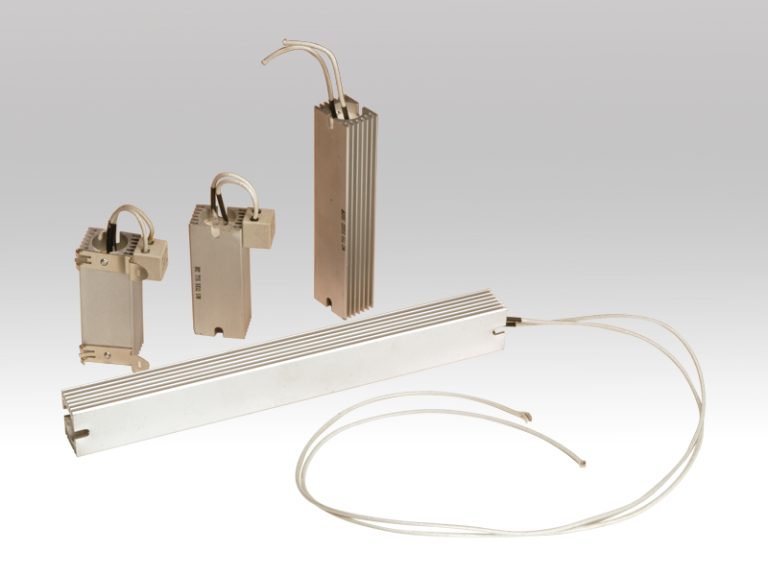
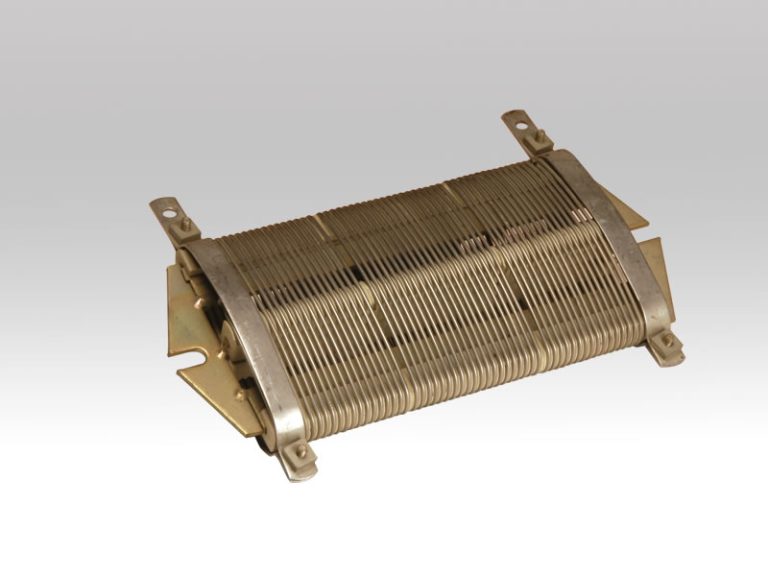
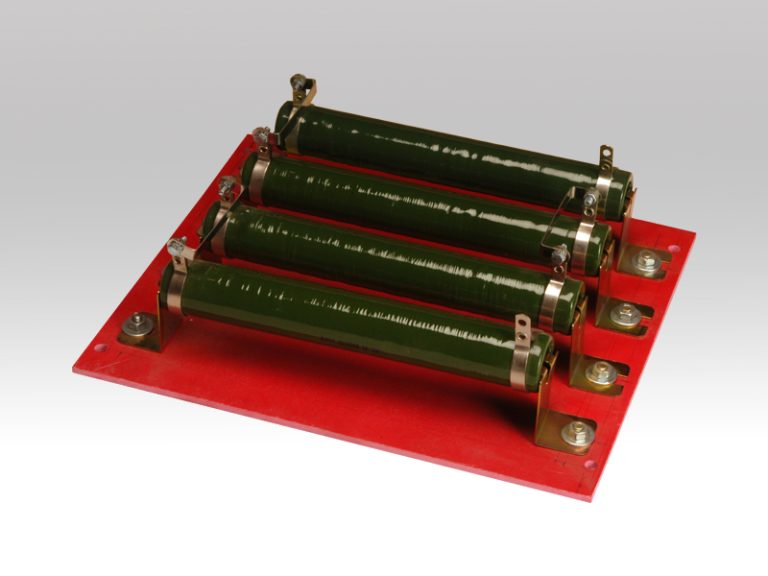
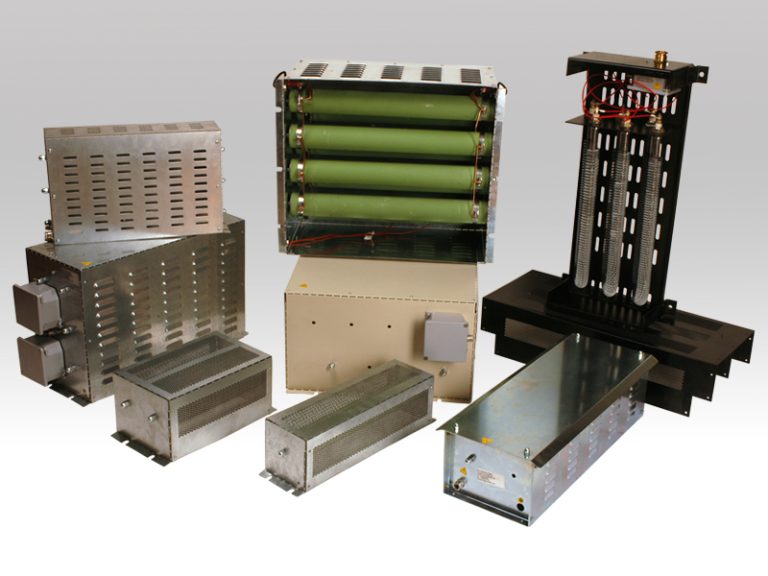
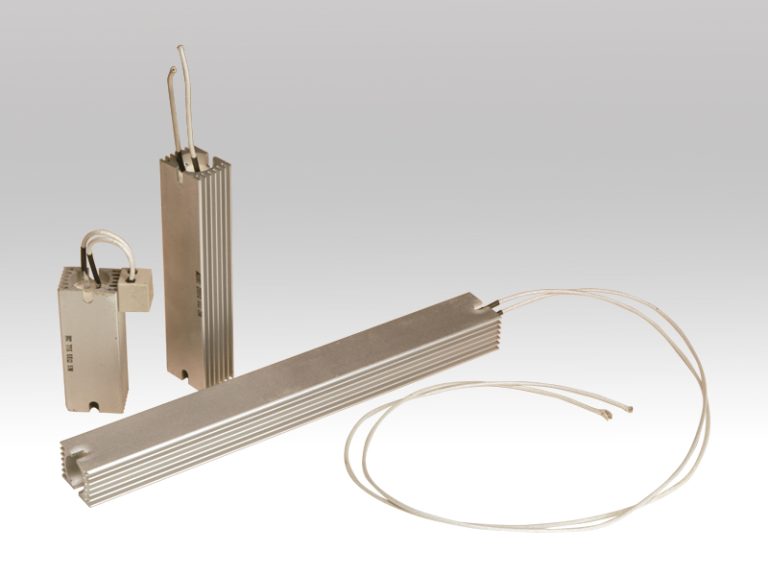
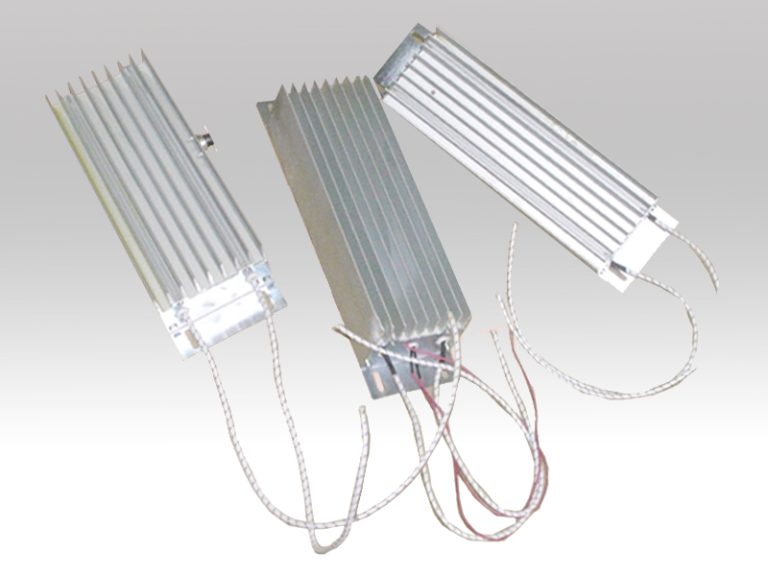
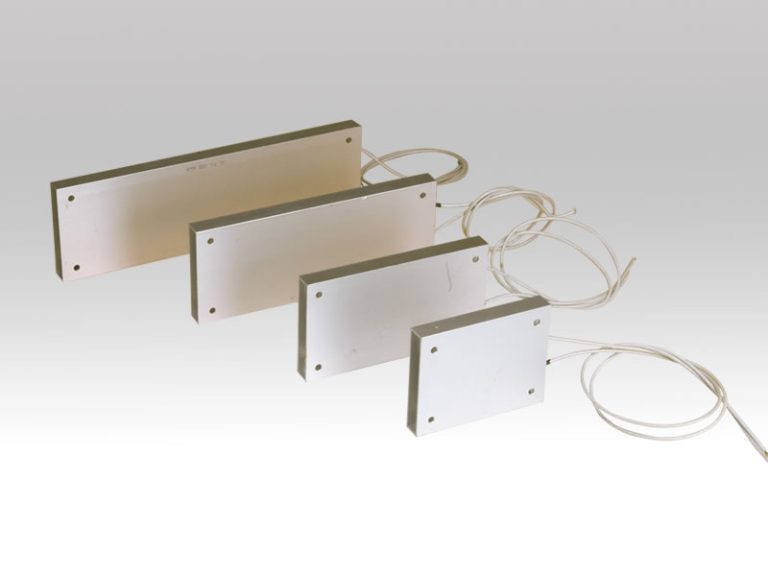
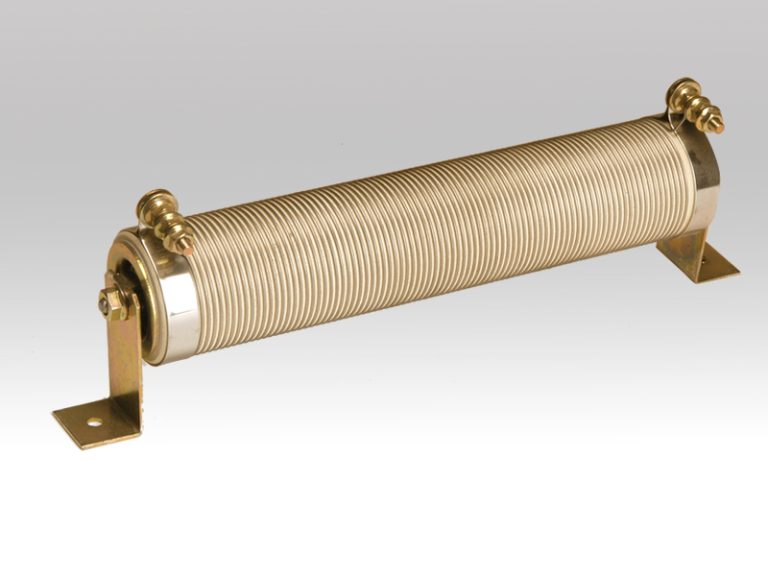
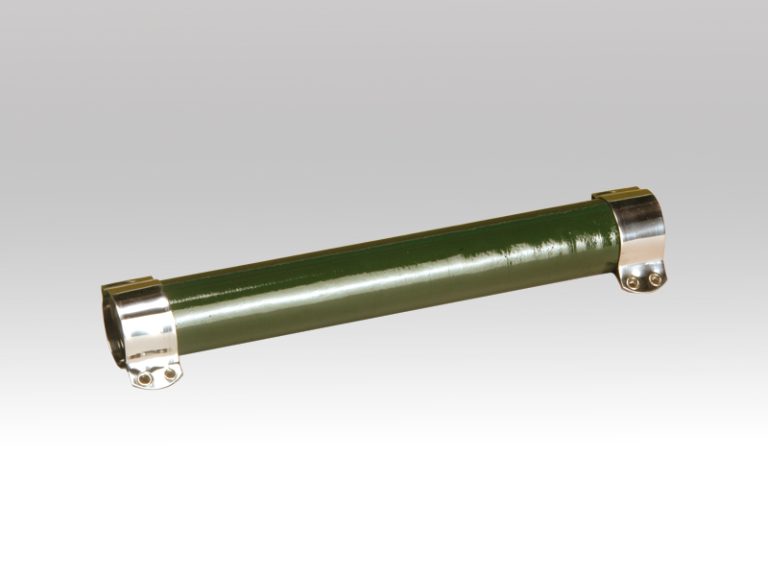
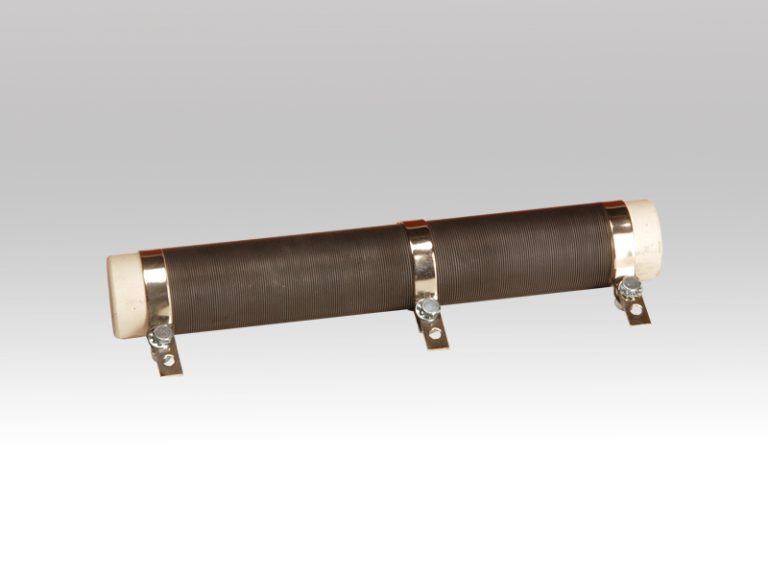
MC RESISTORI offers a wide range of resistances, including braking resistors, power resistors, anti-condensation heaters, cemented and emballed wiredound resistors for the most varied applications.
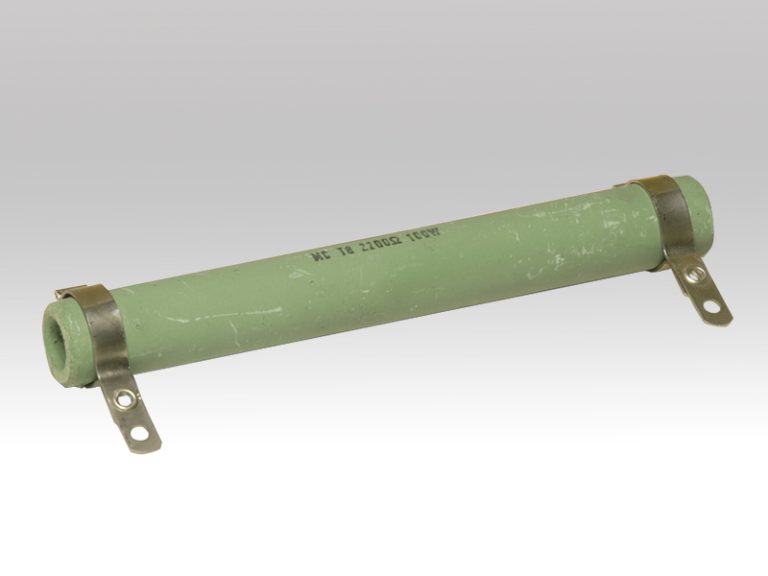
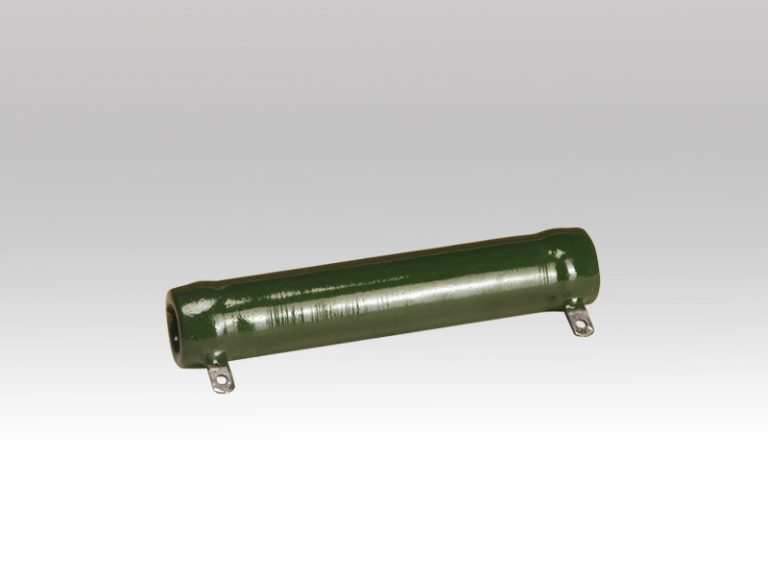
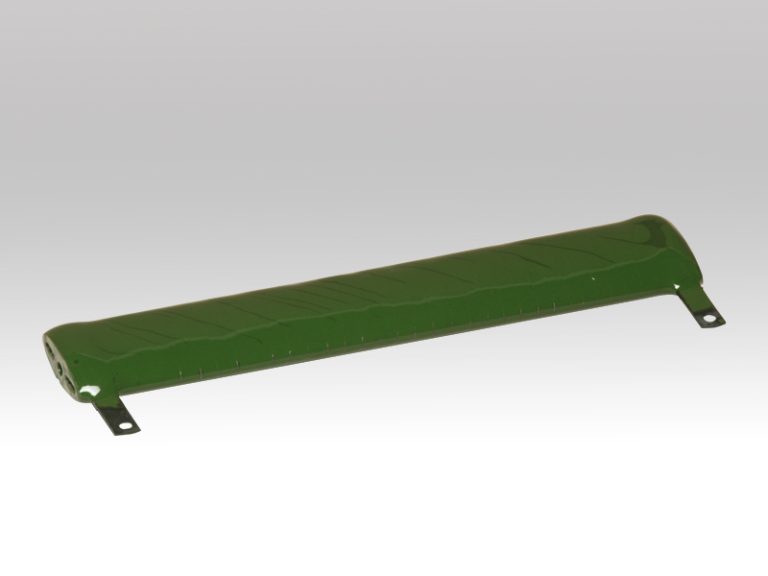
Perché scegliere Mc Resistori
MC RESISTORI è specializzata in resistori e resistenze di frenatura. Ovunque ci sia un inverter o un azionamento, siamo pronti ad intervenire fornendo soluzioni ottimali ad hoc per ogni esigenza e necessità.
Italian excellence at competitive prices
Prodotti completamente Made in Italy per una qualità garantita da 50 anni di esperienza nel settore.
Customer support direct line with MC
Our product catalog is online. For customized projects, contact our customer service.
Velocità e flessibilità nella consegna
Mc Resistori presents itself as a very versatile partner, with supplies tailored to the customer's needs.
Fast and secure online payment
Mc Resistori garantisce il servizio di pagamento anche attraverso la piattaforma Paypal, il metodo più diffuso per pagamenti anche internazionali.
Tradition
Family-run company from Brianza founded in the early 1960s
Versatilità
siamo pronti ad intervenire fornendo soluzioni ottimali ad hoc per ogni esigenza e necessità
About Us
MC RESISTORI è specializzata in resistors and braking resistors; wherever there is a inverter or drive, siamo pronti ad intervenire fornendo soluzioni ottimali ad hoc per ogni esigenza e necessità. La vasta gamma di resistors nasce dall’esperienza maturata sul campo e dall’intensa collaboration with our customers ai quali forniamo non solo prodotti di elevata qualità e comprovata affidabilità, ma anche ogni servizio accessorio per trovare soluzioni ottimali ed anche prodotti custom.
MC RESISTORI SRL © Copyright 2025 – Tutti i diritti riservati – P.IVA: 04074080963 – Privacy – Cookie Policy – Credits@srmediaprod.com
RESISTORS IN SERIES AND PARALLEL: DIFFERENCES, EXAMPLES, AND REAL-WORLD INDUSTRIAL CASES
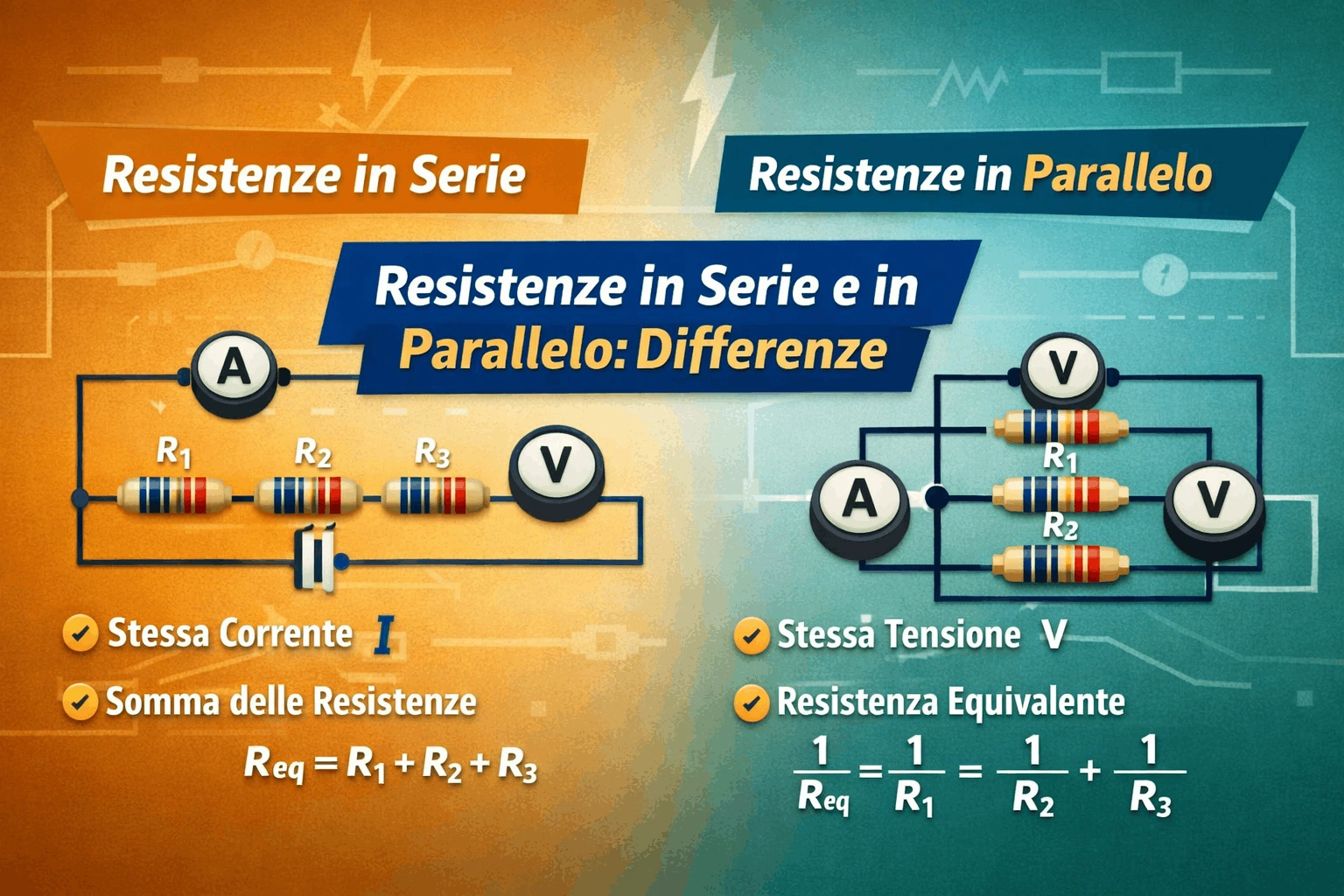
Resistors in series and in parallel are two different ways of connecting resistors to obtain a precise result: controlling current, voltage and power dissipation.
In electronics it is a basic, but in the industrial field it becomes daily practice when designing power resistors, resistive banks, braking resistors, anti-condensation resistors or custom-made resistor assemblies.
Here you will find a clear guide with formulas, numerical examples and above all real industrial cases.
Resistors in series: what does it mean?
Resistors are in series when they are connected one after the other, along a single path.
Rules of thumb (series)
The current is the same across all resistors
The voltage is divided between the resistors
Total resistance increases
Series formula
Req = R1 + R2 + R3 + … + Rn
Resistors in parallel: what does it mean?
Resistors are in parallel when they are connected to the same two nodes (multiple branches).
Rules of thumb (parallel)
The voltage is the same on each branch
The current splits between the branches
Total resistance decreases
Parallel formula
Per più resistenze:
1/Req = 1/R1 + 1/R2 + 1/R3 + … + 1/Rn
For two resistors:
Req = (R1 × R2) / (R1 + R2)
Simple examples with numbers (to understand it quickly)
Esempio A — serie
R1 = 100 Ω, R2 = 200 Ω
Req = 300 Ω
With 24 V:
I = 24 / 300 = 0,08 A
Voltage drops:
V1 = I×R1 = 0,08×100 = 8 V
V2 = I×R2 = 0,08×200 = 16 V
Totale 8+16 = 24 V ✅
Esempio B — parallelo
R1 = 100 Ω, R2 = 200 Ω
Req = 66,7 Ω
With 24 V:
Itot = 24 / 66,7 ≈ 0,36 A
Currents per branch:
I1 = 24/100 = 0,24 A
I2 = 24/200 = 0,12 A
Somma = 0,36 A ✅
The difference that really matters: power and heat
Negli impianti industriali, il punto non è solo “ohm”, ma quanto scalda.
Useful formulas:
P = V × I
P = I² × R
P = V² / R
In series
La corrente è uguale per tutti → dissipa di più la resistenza con valore più alto:
P = I² × R
In parallel
The voltage is the same for all → the resistance with the lowest value dissipates more:
P = V² / R
Questo è il motivo per cui il dimensionamento industriale richiede sempre:
ohmic value
rated power
work cycle
ventilation / assembly
ambient and panel temperature
Real industrial cases: when to use series and when to use parallel
1) Frenatura con inverter: serie/parallelo per ottenere l’Ohm giusto
Nelle resistenze di frenatura, l’inverter richiede un valore ohmico preciso per limitare la corrente di frenatura e proteggere il bus DC.
Caso tipico
Servono 30 Ω ma non esiste un singolo componente “perfetto” in quel formato
Si realizza un gruppo resistivo con più elementi:
in series to increase the Ohms
in parallel to increase total dissipated power and manage heat
✅ Vantaggio: valore ohmico preciso + dissipazione distribuita.
2) Load bench / test: parallel to increase total power
In testing and inspection (power supplies, UPS, uninterruptible power supplies, switchgear), resistive banks are used to simulate a load.
Qui il parallelo è molto usato perché:
riduce la resistenza equivalente (più corrente)
permette di sommare la potenza dissipabile (più elementi = più W totali)
facilita modularità e manutenzione (se un ramo cede, spesso il sistema continua a funzionare)
✅ Vantaggio: potenze elevate gestibili e scalabili.
3) Ripartire il calore in un quadro: serie/parallelo “per respirare”
In quadri chiusi o in ambienti caldi, un singolo resistore può diventare un punto caldo critico.
Practical solution:
usare più resistori per distribuire la dissipazione
design the group with series/parallel to respect Ohm and Watt
increase distances and ventilation to reduce heat build-up
✅ Vantaggio: meno hotspot, più affidabilità, vita più lunga.
4) Voltage and signal dividers: series (but be careful with precision)
In industrial instrumentation and control electronics, the series connection is used to create a voltage divider.
Here it matters:
tolerance (precision)
stabilità termica
arises over time
✅ Vantaggio: tensione “scalata” per ingressi analogici e sensori.
⚠️ Nota: in questi casi spesso si preferiscono resistori più precisi (es. film metallico, o soluzioni selezionate).
5) Anti-condensation: different purpose, but the logic of the connections remains
The anti-condensation resistors slightly heat the panel to prevent condensation.
In large systems, it may happen that multiple elements are distributed for:
coprire più punti del quadro
evitare un’unica fonte calda
manage different power supplies
✅ Vantaggio: protezione uniforme.
Common mistakes (that cause sizing to fail)
Look only at the Ohms and ignore the Watts
Do not declare the duty cycle (continuous or impulsive)
Underestimating temperature and ventilation (in a closed environment everything changes)
Do not consider distances/insulation in high voltage
Using unbalanced parallels in critical applications (distribution criteria are required)
Data Checklist for Quotation (CTA)
To properly design a series/parallel resistor group, prepare this data:
Application (braking / power / load bank / anti-condensation / other)
Required value Ω (or acceptable range)
Required power W and duty cycle (continuous / impulsive, duration and frequency)
Working voltage (V) and peaks
Ambiente (temperatura, umidità, polveri, ventilazione, quadro chiuso/aperto)
Available dimensions and type of fixing
Cable / Terminal / Connector Length
Quantità e tempistiche
MC RESISTORS: Customized Industrial Solutions
MC RESISTORI manufactures a wide range of solutions for industrial systems: power resistors, braking resistors, anti-condensation resistors, enamelled resistors, cementated, corrugated tape, wound on ceramic support and specials.
Series vs. Parallel (Quick Comparison)
| Feature | Resistors in series | Resistors in parallel |
|---|---|---|
| Connection | Una dopo l’altra, un solo percorso | Più rami sugli stessi due nodi |
| Current | Same on all resistors | It divides between the branches |
| Voltage | It is divided between the resistances | Same on every branch |
| Equivalent resistance (Req) | Req = R1 + R2 + … + Rn | 1/Req = 1/R1 + 1/R2 + … + 1/Rn Per 2: Req = (R1×R2)/(R1+R2) |
| Effect on Req | Increase | It decreases |
| Potenza/Calore: “chi scalda di più” | A parità di corrente: dissipa di più la R più alta (P = I²·R) | A parità di tensione: dissipa di più la R più bassa (P = V²/R) |
| Industrial practical advantage | Comodi per “arrivare” agli Ohm richiesti quando non esiste un singolo valore adatto | Convenient for "getting" the required Ohms when there is no single suitable value |
| Typical real cases | Inverter braking (increase ohms) Voltage/signal dividers (precision) | Load banks and tests (UPS/power supplies) Power resistor groups (high wattage, modular) |
| Common mistakes | Look only at Ohms and ignore Watts Don't consider accuracy/drift in dividers |
Unbalanced parallels in critical applications Underestimating ventilation and hotspots |
Contact us
Stay in touch with us!
Contact us at our addresses to get all the info on our products!
Telephone
+39 039.6049465
Fax
+39 039.6040322
info@mccalloni.com
commerciale@mccalloni.com
Address
Via Monte Sabotino, 19 20863 CONCOREZZO (MB) ITALY
MC RESISTORI SRL © Copyright 2025 – Tutti i diritti riservati – P.IVA: 04074080963 – Privacy – Cookie Policy – Credits@srmediaprod.com
 English
  Italian